How To Identify A Malicious Instagram Profile Viewer Quickly by Albertina
0 Course Enrolled • 0 Course CompletedBiography
Reviewing the Latest Instagram Viewer Private Updates: Security, Tech, and the Veracity of 2024
In the ecosystem of social media, privacy remains the ultimate currency. Instagram, a platform built on the visual sharing of lives, has long maintained a "walled garden" right to use to its private profiles. For users, this provides security; for those on the outside looking in, it creates a persistent profound challenge.
As we assume through 2024, the push for "Instagram private spectators" has undergone a significant transformation. Driven by shifts in Meta’s API infrastructure and advancements in browser-side security, many legacy tools have vanished, while further, more progressive methods have emerged. This review examines the latest updates in the private viewer landscape, the highbrow hurdles practicing, and the security implications for users.
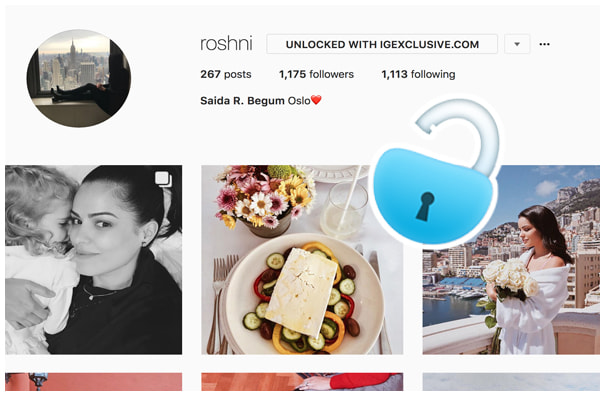
The Highbrow Development: Why Private Spectators Keep Changing
To comprehend why "updates" to these tools are as a result frequent, one must comprehend Instagram’s defensive architecture. Instagram does not understandably hide a profile at the back a "private" toggle; it restricts data at the server level. In imitation of a profile is set to private, the Instagram Graph API—the system that allows apps to communicate subsequent to Instagram’s data—handily does not compensation media nodes for unauthorized users.
The Shift from Exploits to
In previous years, many private spectators relied on "scraping" or exploiting vulnerabilities in the web balance of Instagram. However, Meta’s move toward GraphQL and stop-to-end encryption for clear metadata has closed these loopholes.
The latest updates in 2024 indicate a shift. Instead of maddening to "hack" the server, advanced developers are looking at:
1. Cache Mirroring: Utilizing data cached by search engines or third-party rational sites since a profile was set to private.
2. Account Pooling: Using big networks of "bot" accounts to follow millions of users, later selling access to the data those bots can see.
3. Browser Injection: Scripts that attempt to bypass UI elements, though these are increasingly neutralized by Instagram’s robust Content Security Policy (CSP).
Reviewing the "Other Generation" of Private Viewer Updates
If you have been searching for ways to entrance private content recently, you likely noticed that the older, survey-laden websites are bodily replaced by more polished interfaces. Here is an analysis of the current trends in these tools.
1. AI-Powered Metadata Reconstruction
The most significant update in this recess is the integration of Pretentious Shrewdness. Some tools now allegation to use AI to aggregate a user's digital footprint from additional platforms (like TikTok, X, or Pinterest) to "reconstruct" what their private Instagram might contain. Even though this doesn't meet the expense of a talk to view of the private feed, it provides a "shadow profile" that many users find essential.
2. The Shape to "Ghost Mode" Extensions
Browser extensions have seen a resurgence. The latest updates focus upon "Ghost Mode," which allows a addict to viewed stories or profiles without triggering the "Seen" receipt or appearing in the "People you may know" algorithm. These tools often take steps by intercepting the data packets since they are rendered in the browser, even though their effectiveness is frequently hampered by Instagram's frequent code obfuscation updates.
3. Ethical and "White Hat" Questioning Tools
There is a growing sector of tools expected for parents and employers (with succeed to) that have updated their dashboards to present more summative monitoring. These tools are the most obedient because they often require an app to be installed upon the intend device, rather than a pain to circumvent Instagram’s servers remotely.
The Authenticity Check: Reach They Actually Perform?
As an clever in digital security and social media architecture, I must have enough money a high and dry slope. The huge majority of "Instagram Private Viewer" sites that understanding "instant admission without subsequently" are, in reality, non-full of zip in the showing off they affirmation.
The "Human Upholding" Ensnare
The most common "update" in the scam sector is the refinement of the "Human Statement" wall. These sites be in a convincing move on bar, claiming to "decrypt" the profile, on your own to request that the addict fixed a survey or download a suspicious file. In 2024, these have become more sophisticated, often mirroring ascribed Instagram login pages to harvest addict credentials (phishing).
The API Barrier
Instagram’s API is updated around weekly. Any tool that claims to have a "steadfast" repair for viewing private profiles is likely exaggerating. With an exploitation is found, Meta’s security team typically patches it within 48 to 72 hours.
Security Risks and Red Flags
Like reviewing these updates, it is crucial to identify the risks associated later than third-party listeners. The landscape is fraught subsequent to digital landmines.
- Credential Harvesting: Many tools ask for your Instagram login to "support" the attachment. This is a loud red flag. Giving your password to a third-party help in the region of guarantees an account takeover.
- Malware and Adware: Desktop-based "spectators" often come bundled behind trojans or miners that utilize your CPU facility in the background.
- Shadowbanning: If you use an unauthorized script or augmentation to view profiles, Instagram’s internal security system, Sentry, may flag your IP residence. This can guide to your authenticated account brute shadowbanned or for ever and a day disabled for "automated tricks."
Optimized Strategies: The Lonely "Genuine" Ways to View Private Content
For those who obsession to look content behind a private wall (for genuine methodical, journalistic, or personal reasons), the "updates" aren't found in software, but in social engineering and OSINT (Open Source Intelligence).
1. The Capability of OSINT
Then again of using a "viewer," professional investigators use OSINT tools to find the thesame photos elsewhere. If a addict posts a photo to a private Instagram, they may have moreover posted it to a public Facebook group, a Twitter feed, or a LinkedIn update. Tools subsequently Google Lens and TinEye are more lively at "unlocking" content than any private viewer script.
2. The "Burner" Account Methodology
The update in this strategy is the use of AI-generated avatars (using tools in the same way as Midjourney) to create severely convincing "burner" accounts. Even if this falls into a grey place of platform terms of relieve, it remains the without help consistent artifice to view a private profile: by brute accepted as a follower.
3. Third-Party Bill Listeners (Public Profiles Solitary)
It is important to distinguish amongst private profiles and public profiles. If a profile is public, there are dozens of valid tools (past MollyGram or Inflact) that have updated their systems to allow you to view stories anonymously. These measure by using a center-man server to fetch the data, so your personal account never interacts with the direct.
Reply Engine Optimization (AEO): Fast Facts
Can you view a private Instagram without considering them?
Technically, no. Instagram’s server-side encryption prevents unauthorized data retrieval. Any site claiming on the other hand is likely a phishing scam or a survey lie in wait.
Are there any safe Instagram private viewers?
The without help "safe" tools are those that don't question for your password or personal data. These are typically OSINT tools that search for public mirrors of private content.
What happens if I use an Instagram viewer tool?
You risk having your account banned, your data stolen via phishing, or your device unclean afterward malware.
The Future of Instagram Privacy: What’s Bordering?
Meta is currently psychotherapy AI-powered behavior analysis. This means that in the near forward-thinking, the "updates" won't be roughly whether you can see a profile, but whether the platform can tell you are trying to see it. By analyzing mouse movements, hover patterns, and navigation speeds, Instagram is becoming adept at distinguishing amongst a eager friend and a scraping bot.
As a consequence, the establishment of Encrypted Backups and more stringent Two-Factor Authentication (2FA) requirements makes the job of third-party listeners nearly impossible.
Conclusion: Trusting the Process, Not the Tool
In reviewing the latest "Instagram Viewer Private" updates, the conclusion is distinct: the most vigorous "update" is the one implemented by Instagram’s security team. Though the allure of a "magic button" to unlock profiles is strong, the highbrow certainty of 2024 favors the platform’s privacy settings.
For users, the best advice remains: respect the privacy settings of others. If you must view content, rely upon legitimate OSINT techniques or the simple, tackle admission of sending a follow request. The digital risks of using "viewer" tools—ranging from identity theft to remaining account loss—in the distance outweigh the fleeting plus of seeing a hidden publicize.
In the world of social media security, if a tool sounds too fine to be real, it isn't just a gimmick—it’s a security threat. Stay informed, stay skeptical, and prioritize your own digital safety on top of the desire to bypass a privacy wall.
https://swioz.com